Your search for "epoxy" was found in 6 product ranges, 26 products, 10 resources, and 4 pages.
If you can't find what you're looking for, try a Google-powered search, or contact us.
De-lamination of coatings can occur between the coating system and the substrate. Causes of de-lamination The possible causes for de-lamination are: Contamination Inadequate surface preparation Incompatibility 1. Contamination Contamination can be on …
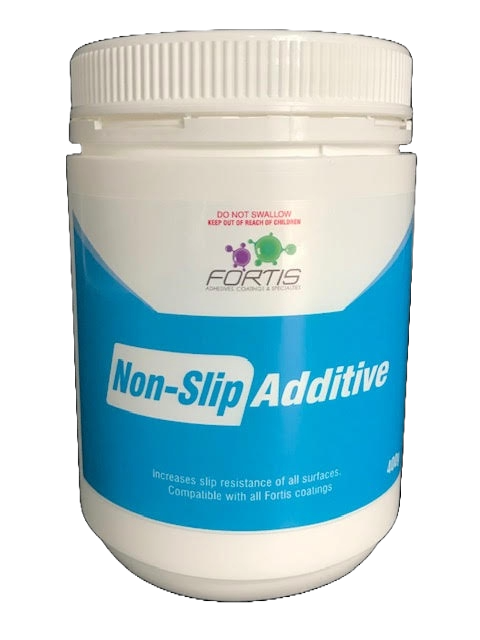
Slip resistance is created by adding texture. Select aggregate for water, oil, traffic and cleaning conditions. More texture improves grip but makes cleaning harder. TextureAggregateIndicative size LightPolymer additiveFine stir-in grade MediumGraded silica0.3–0.6 …
Select timber adhesive by joint design, timber, moisture, working time and finish. No single chemistry suits every application. ApplicationTypeFortis option General woodworkingPVAAD317 D3 Moisture-resistant bonding1K polyurethaneAD5105, AD5205 or AD5405 Finger jointing and …
Open time, working time, clamp time and cure time describe different stages of adhesive application. Confusing them can cause poor wetting, weak joints or unnecessary production delays. What the Terms Mean TermMeaning …
The strongest adhesive is not automatically the best choice. Selection depends on the materials, joint design, production process and conditions the finished bond must withstand. Understand the Materials Porous materials such as …
Epoxy, polyurethane and polyaspartic coatings differ in curing speed, UV stability, working time and finish. Selection depends on traffic, exposure, downtime and substrate. CoatingMain strengthsTypical uses EpoxyStrong adhesion, high build and economicalGarages, …
Bubbles and pinholes form when air or gas moves through wet epoxy and becomes trapped during cure. Small open craters are pinholes; raised defects are bubbles or blisters. Identify the cause before …
An epoxy primer seals concrete, improves adhesion and reduces uneven absorption. Selection depends on concrete condition, moisture, porosity and recoat speed. Concrete conditionOption Sound and suitable for self-primingAquaCoat™ or Coat 823 HS …
Water-based and high-solids epoxy coatings both protect concrete floors but differ in odour, film build, application and service. “Water-based” describes the carrier, while “high-solids” describes how much coating remains after curing. A …
Most epoxy floors require two or three stages, depending on the product, concrete, traffic and finish. A coat may be a primer, build coat, colour coat or clear topcoat, so the complete …
Unprotected Concrete such as driveways, pavers, and floors can be easily damaged, with the most common causes including water damage and unwanted staining, as well as general wear and tear. Once the …
Products: Fortis AD317 D3 PVA, Fortis AD5105 D4, Fortis AD5205 D4, Fortis AD5405 D4, Fortis AD822 High Strength Epoxy Adhesive, Fortis Epoxy Knot Filler. Fortis manufactures woodworking and timber adhesives for furniture, …
Use Fortis technical resources to select products, compare systems, prepare substrates and troubleshoot common application problems. Browse guides for industrial adhesives, floor coatings, concrete sealers, polished concrete and metal protection. Concrete Sealer …
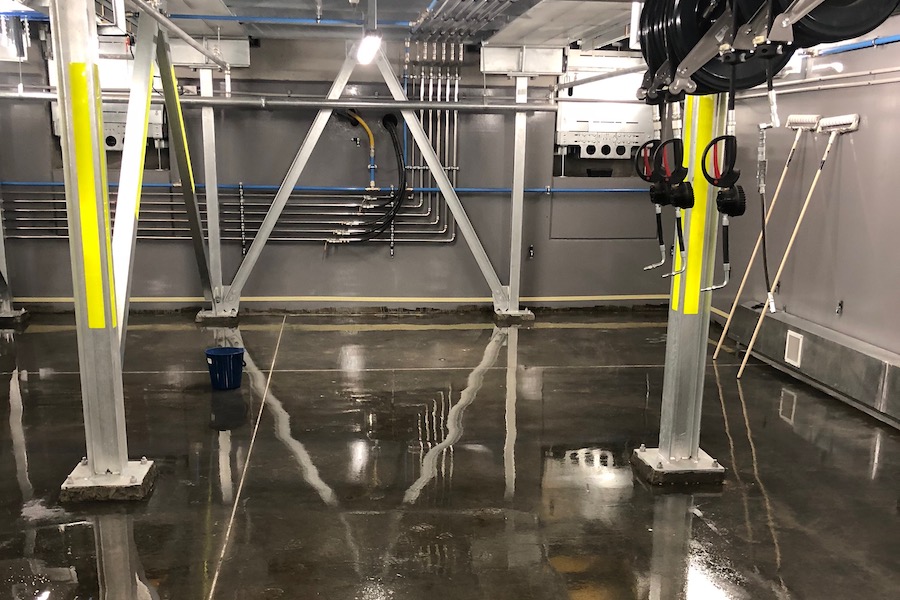
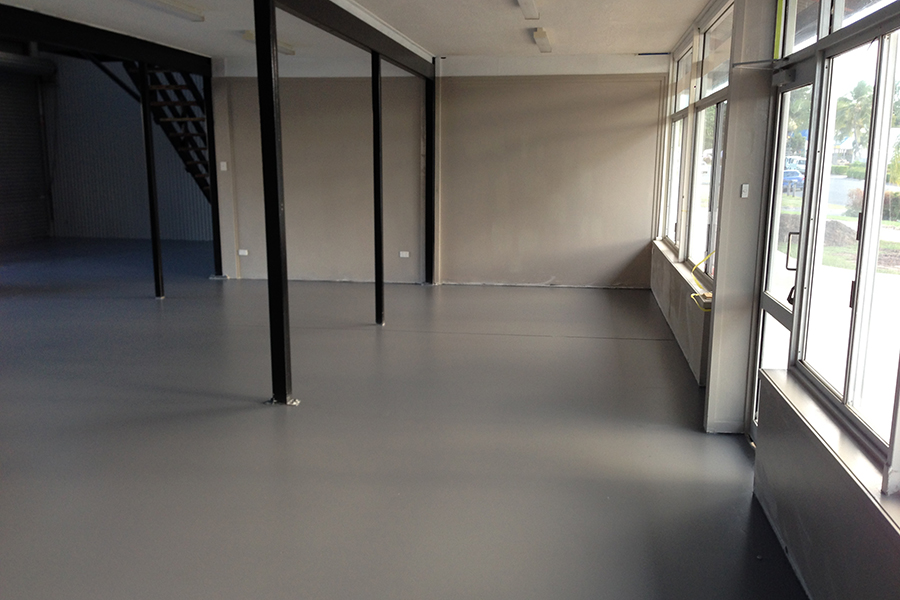
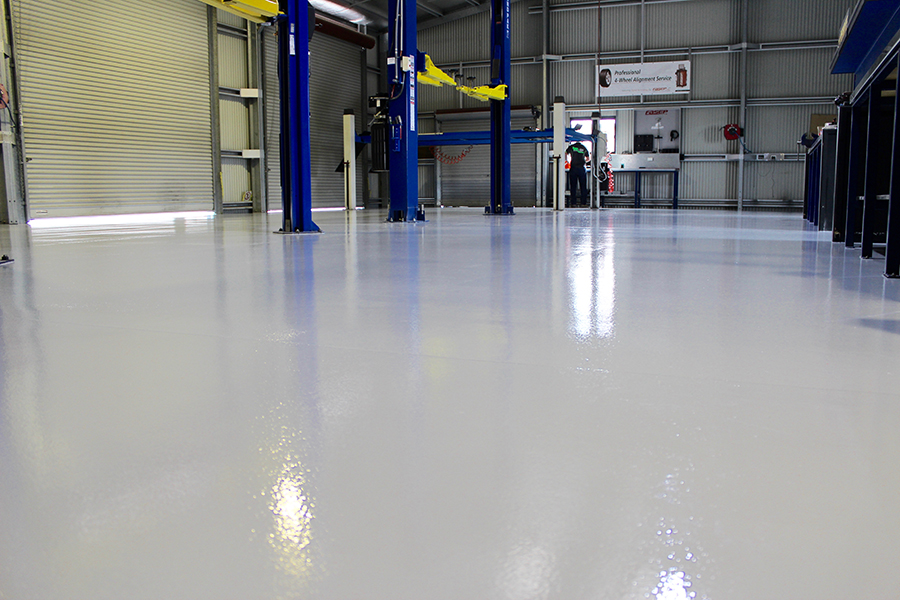
Products: Fortis Coat 823 HS, Fortis Coat 824 SL, AquaCoat™, Fortis 823 Prime, Fortis 820 Prime, Fortis Non-Slip. Fortis manufactures epoxy floor coatings for garages, workshops, warehouses, factories and commercial concrete floors. …