Your search for "coatings polished-concrete densifier" was found in 13 product ranges, 46 products, 27 resources, and 4 pages.
If you can't find what you're looking for, try a Google-powered search, or contact us.
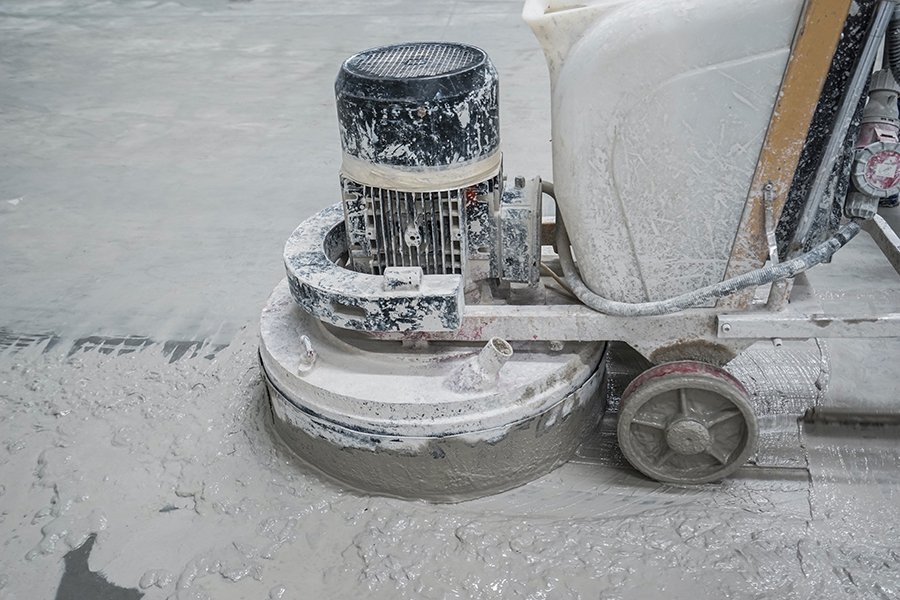
Grinding exposes pinholes, air pockets and small voids formed during concrete placement. Filling them creates a more uniform surface that polishes consistently, accepts densifiers and protective treatments more evenly, and traps less …
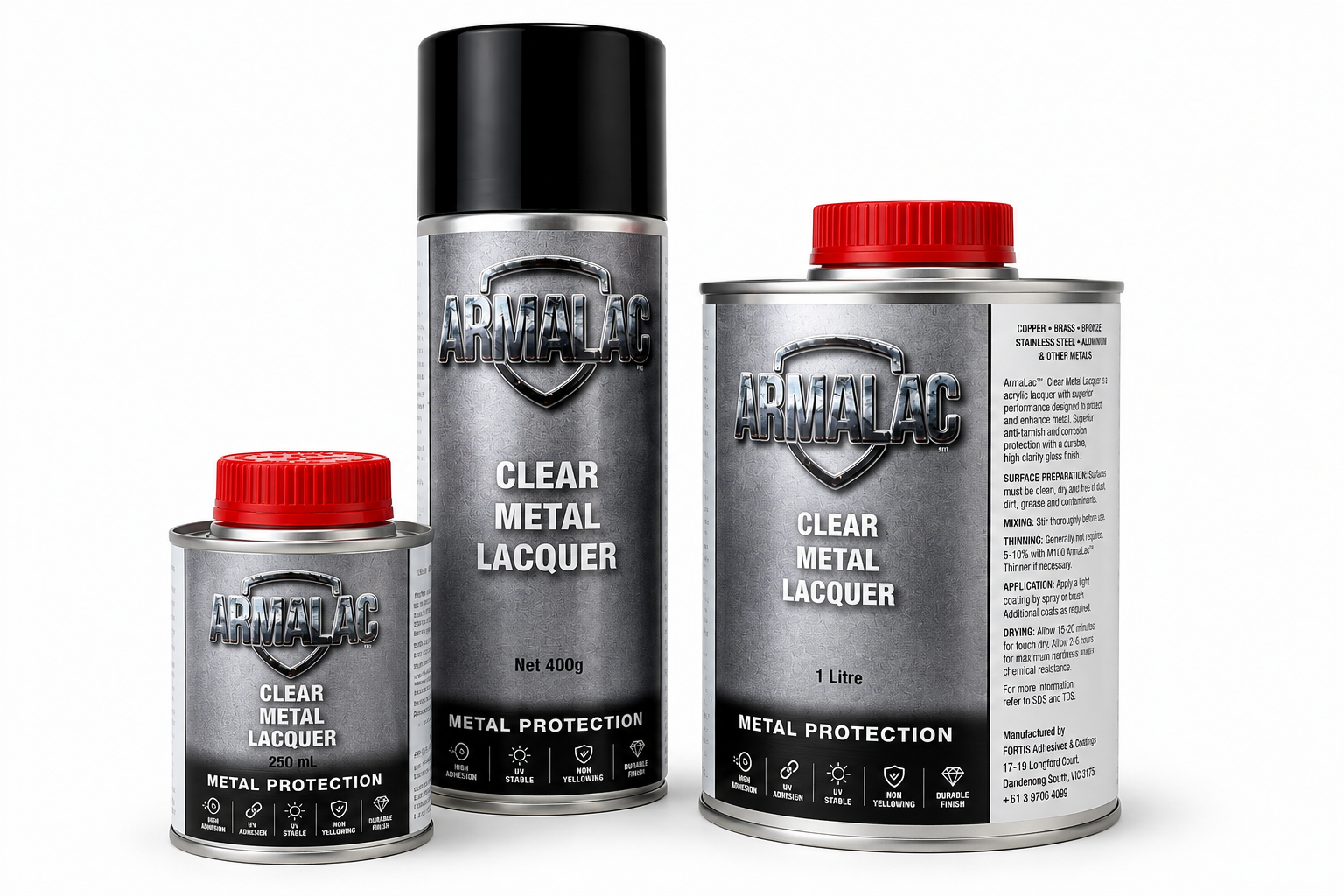
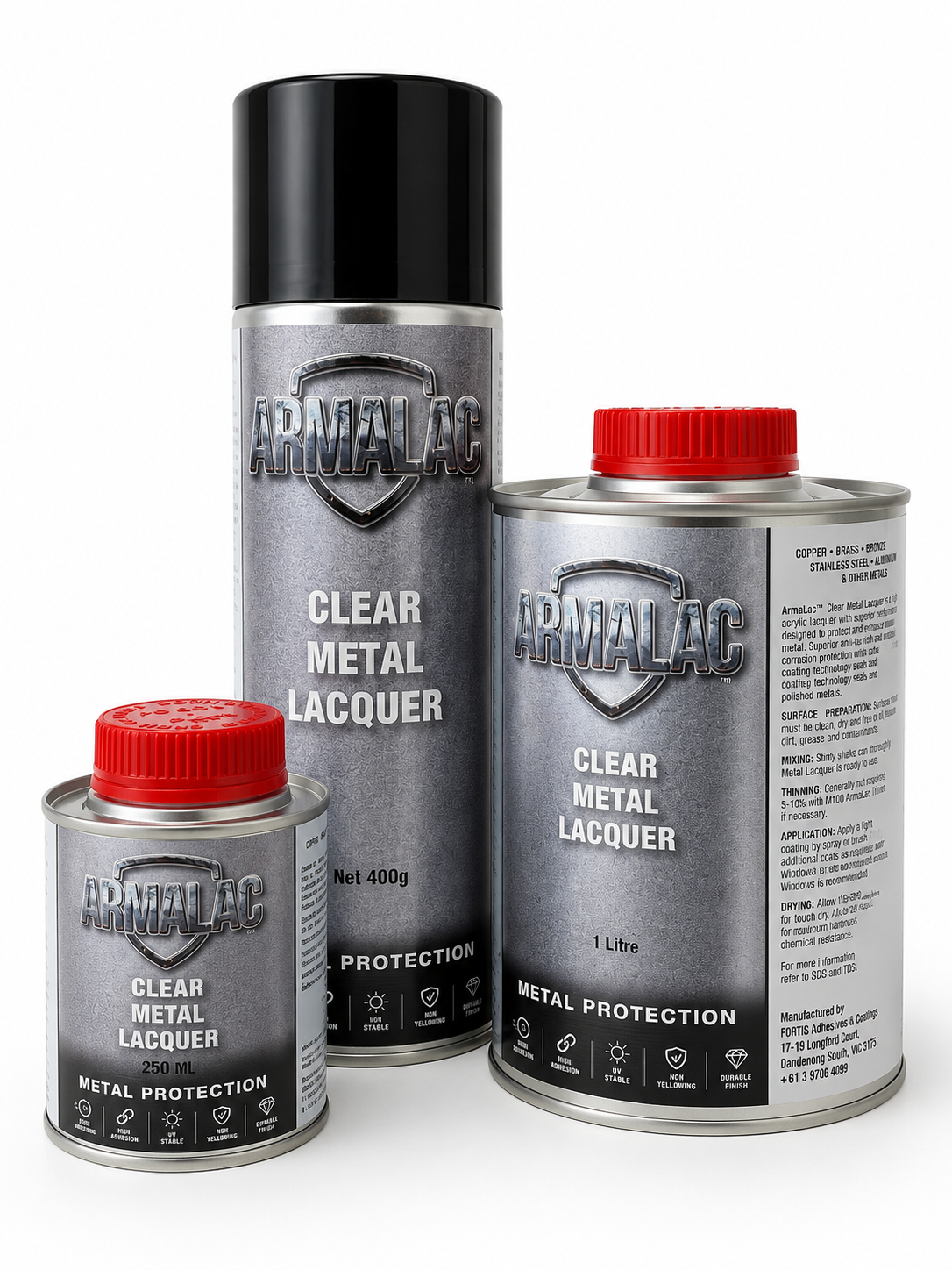
When protecting brass, copper and other decorative metals from tarnishing and oxidation, ArmaLac™ and Incralac are two clear protective coating options available in Australia.Both are acrylic-based protective coatings, but there are differences …
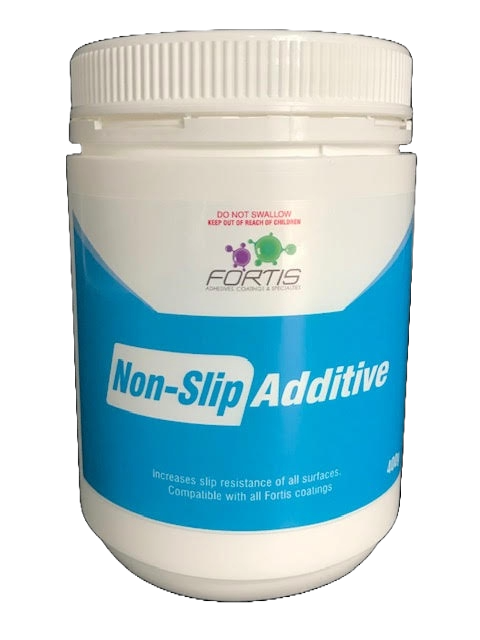
Slip resistance is created by adding texture. Select aggregate for water, oil, traffic and cleaning conditions. More texture improves grip but makes cleaning harder. TextureAggregateIndicative size LightPolymer additiveFine stir-in grade MediumGraded silica0.3–0.6 …
Many of our colours are based on AS2700 range of colours to allow specifiers to select reference paint colours for industrial coatings. The colours displayed will differ depending upon the computer and …
Rejection, commonly known, as Silicon Effect is a pullback of a coating applied to a substrate. Rejection of coatings on floor surfaces is typically caused by contaminants. The most common contaminants are: …
Adhesive strength depends on the surface beneath it. Dust, oil, moisture, oxidation, release agents and weak coatings can prevent wetting or cause the bond to separate from the material. Preparation by Material …
De-lamination of coatings can occur between the coating system and the substrate. Causes of de-lamination The possible causes for de-lamination are: Contamination Inadequate surface preparation Incompatibility 1. Contamination Contamination can be on …
The strongest adhesive is not automatically the best choice. Selection depends on the materials, joint design, production process and conditions the finished bond must withstand. Understand the Materials Porous materials such as …
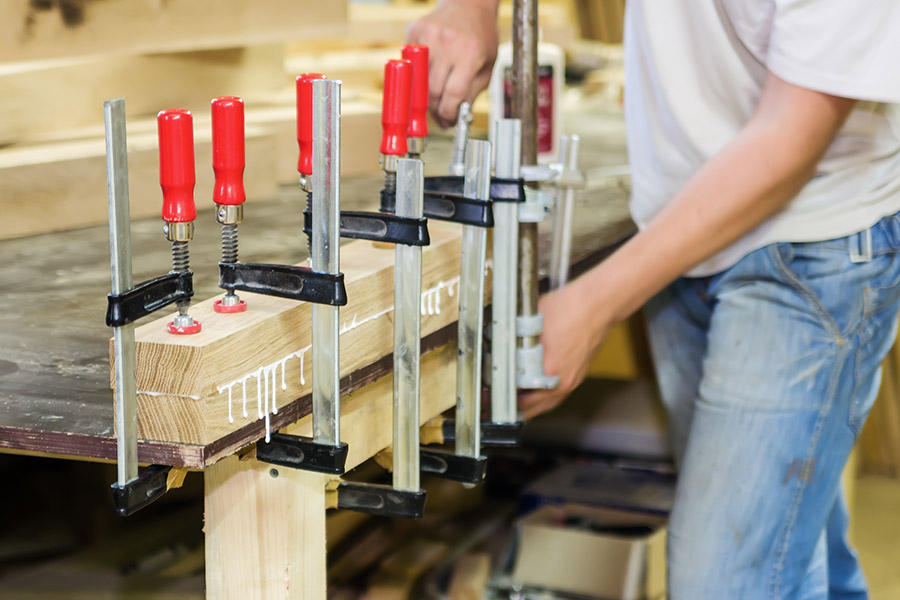
Select timber adhesive by joint design, timber, moisture, working time and finish. No single chemistry suits every application. ApplicationTypeFortis option General woodworkingPVAAD317 D3 Moisture-resistant bonding1K polyurethaneAD5105, AD5205 or AD5405 Finger jointing and …
Concrete sealer can reduce surface grip, particularly when applied to smooth concrete or when the surface is wet. However, how slippery a sealed surface becomes depends on the concrete texture, slope, type …
The use of Fortis coatings across the varied climates of Australia does provide some challenges. To achieve the best coating, it is always best to follow the product's application guidelines. Temperature, humidity, …
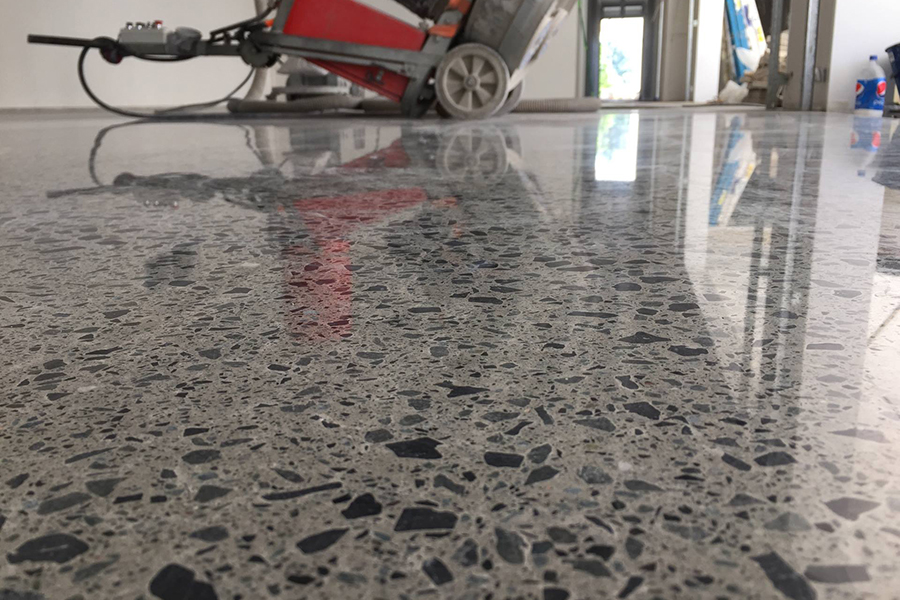
Correct maintenance preserves polished concrete without leaving residue or unnecessarily wearing the surface. First identify whether the floor is densified, protected with a penetrating treatment or finished with a clear coating. Routine …
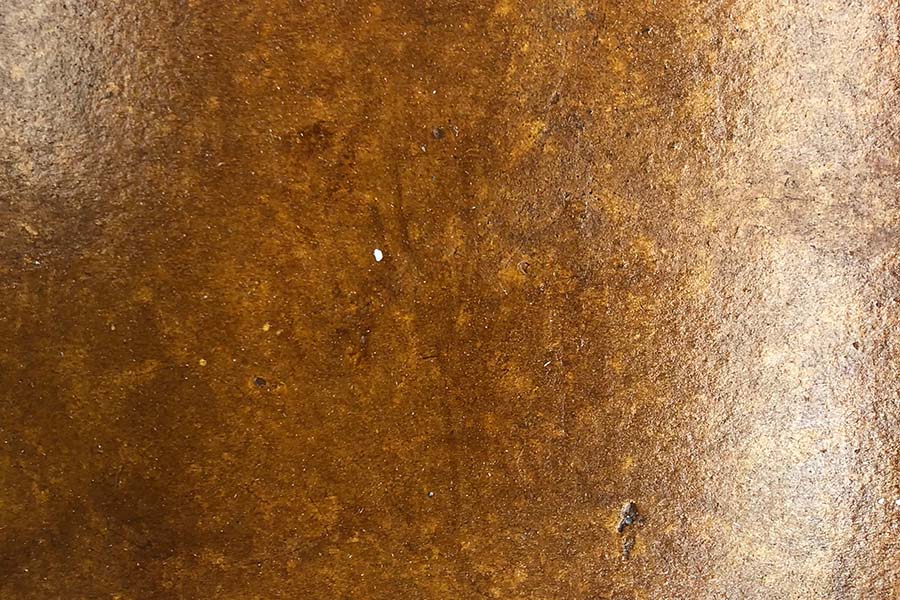
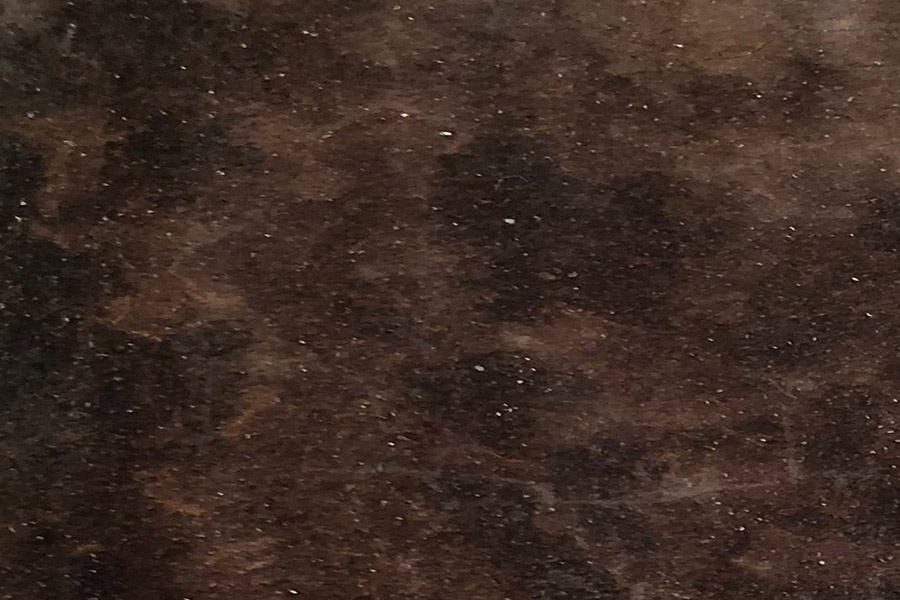
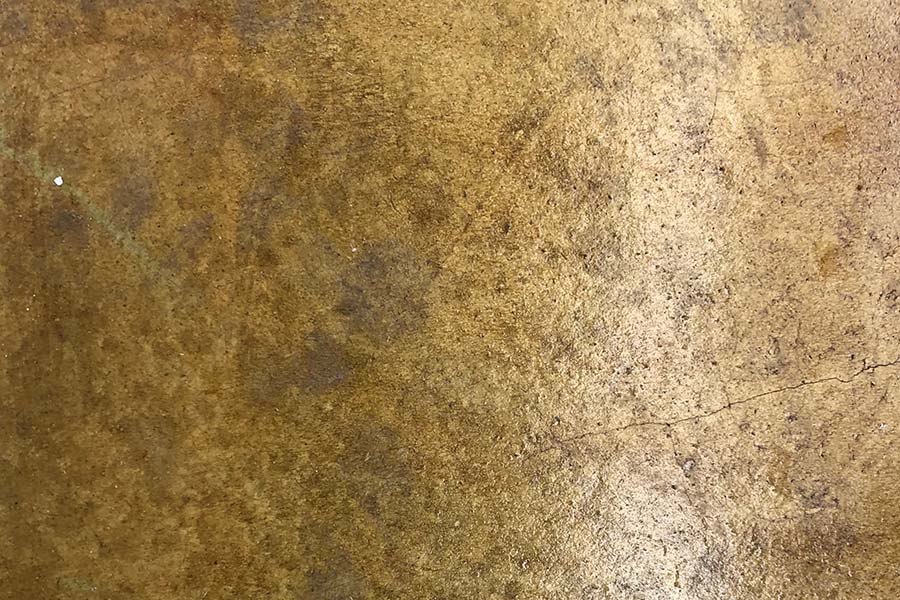
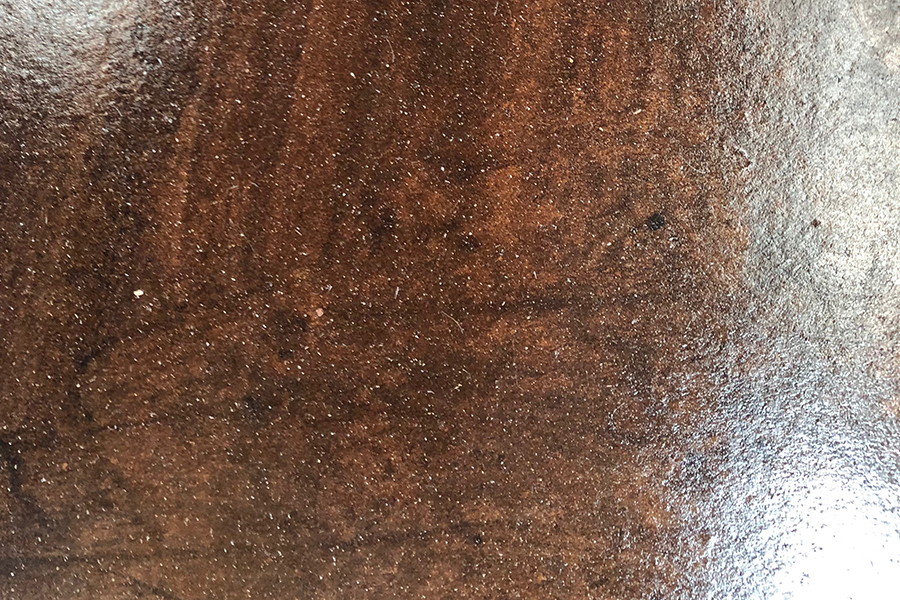
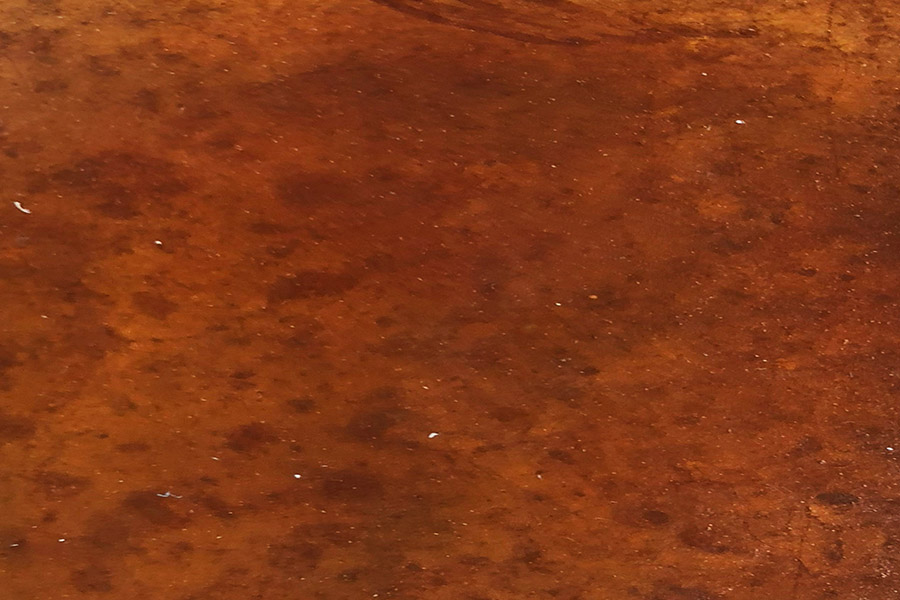
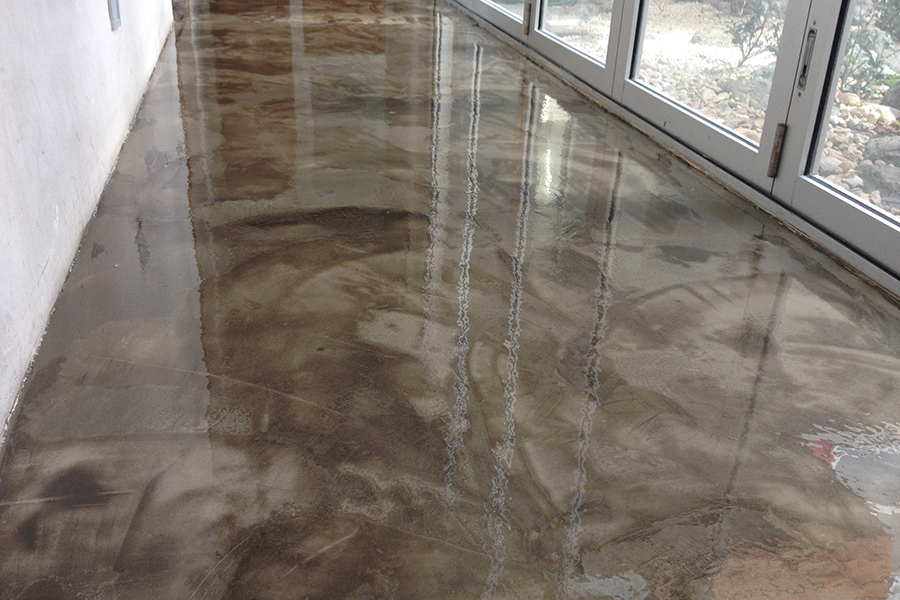
Concrete acid stains react with calcium compounds in cured concrete to create permanent, variegated colour. The result depends on the concrete, so exact uniformity cannot be guaranteed. Prepare and Test Concrete must …
Concrete sealer can turn white, milky or cloudy when moisture becomes trapped within or beneath the coating, or when the sealer does not form a clear film correctly. The problem is often …
Water-based and solvent-based acrylic sealers both form a protective film over concrete, but they differ in odour, appearance, application and clean-up. Choosing the right system depends on the substrate, location and finish …
Correct surface preparation is essential before applying a concrete sealer. The concrete must be sound, clean, sufficiently porous and within the moisture requirements of the selected sealer. Poor preparation can cause uneven …
Bubbles and pinholes form when air or gas moves through wet epoxy and becomes trapped during cure. Small open craters are pinholes; raised defects are bubbles or blisters. Identify the cause before …
An epoxy primer seals concrete, improves adhesion and reduces uneven absorption. Selection depends on concrete condition, moisture, porosity and recoat speed. Concrete conditionOption Sound and suitable for self-primingAquaCoat™ or Coat 823 HS …
Concrete sealers can be broadly divided into penetrating and film-forming systems. Both can protect concrete, but they work differently and produce different appearances. The best choice depends on the substrate, exposure and …
The best concrete driveway sealer depends on the type of concrete, its condition and the appearance you want to achieve. For most decorative driveways, the first decision is whether to use a …
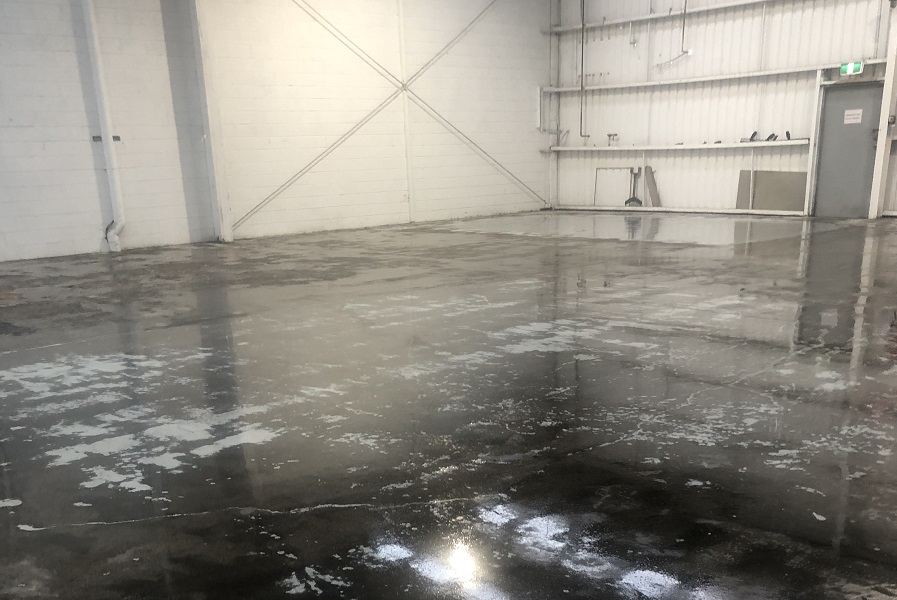
Concrete densifiers supply reactive silicate that penetrates the surface and combines with calcium hydroxide from cement hydration. This forms additional calcium silicate hydrate within the pores, increasing surface hardness, reducing dusting and …
Water-based and high-solids epoxy coatings both protect concrete floors but differ in odour, film build, application and service. “Water-based” describes the carrier, while “high-solids” describes how much coating remains after curing. A …
What Causes Hot Tyre Staining (Paw Printing)? Tyres are made of a mixture of synthetic and natural rubbers, fillers and additives. The major fillers are carbon black and silica. Carbon black not …
Epoxy, polyurethane and polyaspartic coatings differ in curing speed, UV stability, working time and finish. Selection depends on traffic, exposure, downtime and substrate. CoatingMain strengthsTypical uses EpoxyStrong adhesion, high build and economicalGarages, …
For the flooring contractor hired to apply or repair a coating on a concrete floor, the range of tools and possible techniques available for surface preparation can be extensive. Surface preparation methods …
Concrete sealers and enhancers can reduce absorption, change appearance or form a protective film. The correct treatment depends on the concrete finish, exposure, traffic and maintenance requirements. Compare the Options TreatmentResultFortis options …
Most epoxy floors require two or three stages, depending on the product, concrete, traffic and finish. A coat may be a primer, build coat, colour coat or clear topcoat, so the complete …
Explore these featured guides. Many more technical resource guides are available. Concrete Sealer Guides Choosing a Driveway Sealer Water-Based vs Solvent-Based Penetrating vs Film-Forming Floor Coating Guides Epoxy vs Polyurethane vs Polyaspartic …
Fortis Adhesives & Coatings Pty Ltd Fortis Adhesives & Coatings is an Australian-owned manufacturer specializing in high-quality adhesives and coatings. We offer a wide range of products, including adhesives, floor coatings, concrete …
Products: Fortis Coat 823 HS, Fortis Coat 824 SL, AquaCoat™, Fortis 823 Prime, Fortis 820 Prime, Fortis Non-Slip. Fortis manufactures epoxy floor coatings for garages, workshops, warehouses, factories and commercial concrete floors. …
Unprotected Concrete such as driveways, pavers, and floors can be easily damaged, with the most common causes including water damage and unwanted staining, as well as general wear and tear. Once the …