
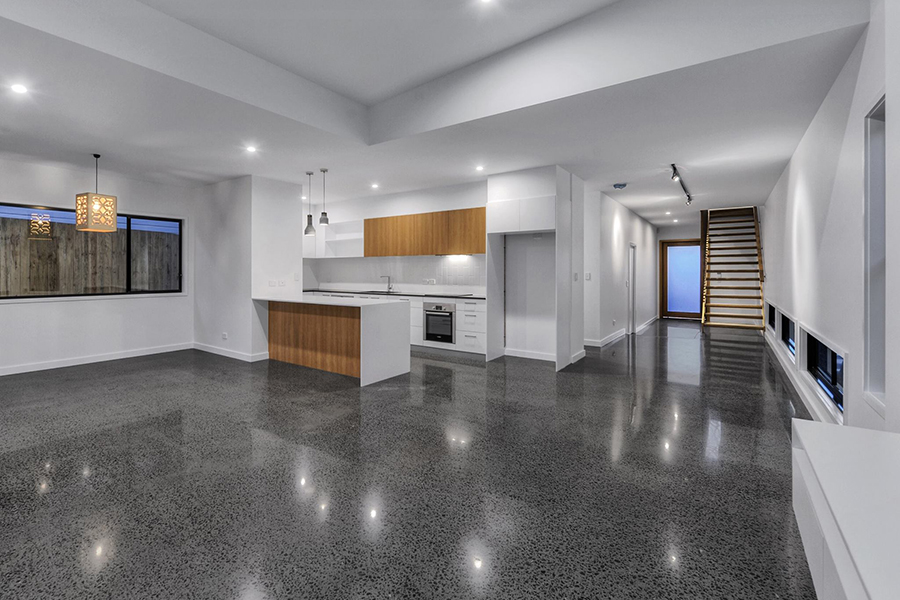
Polished Concrete Systems
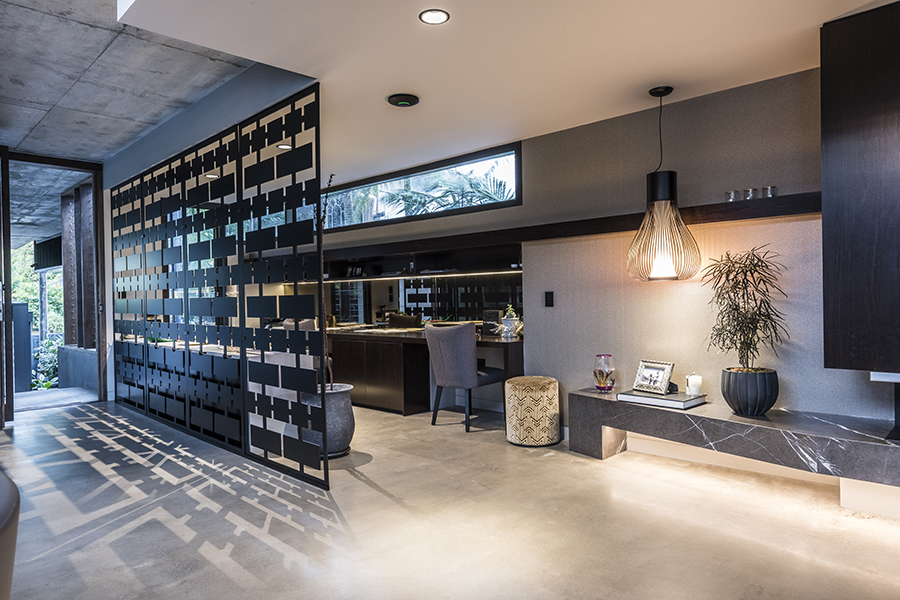
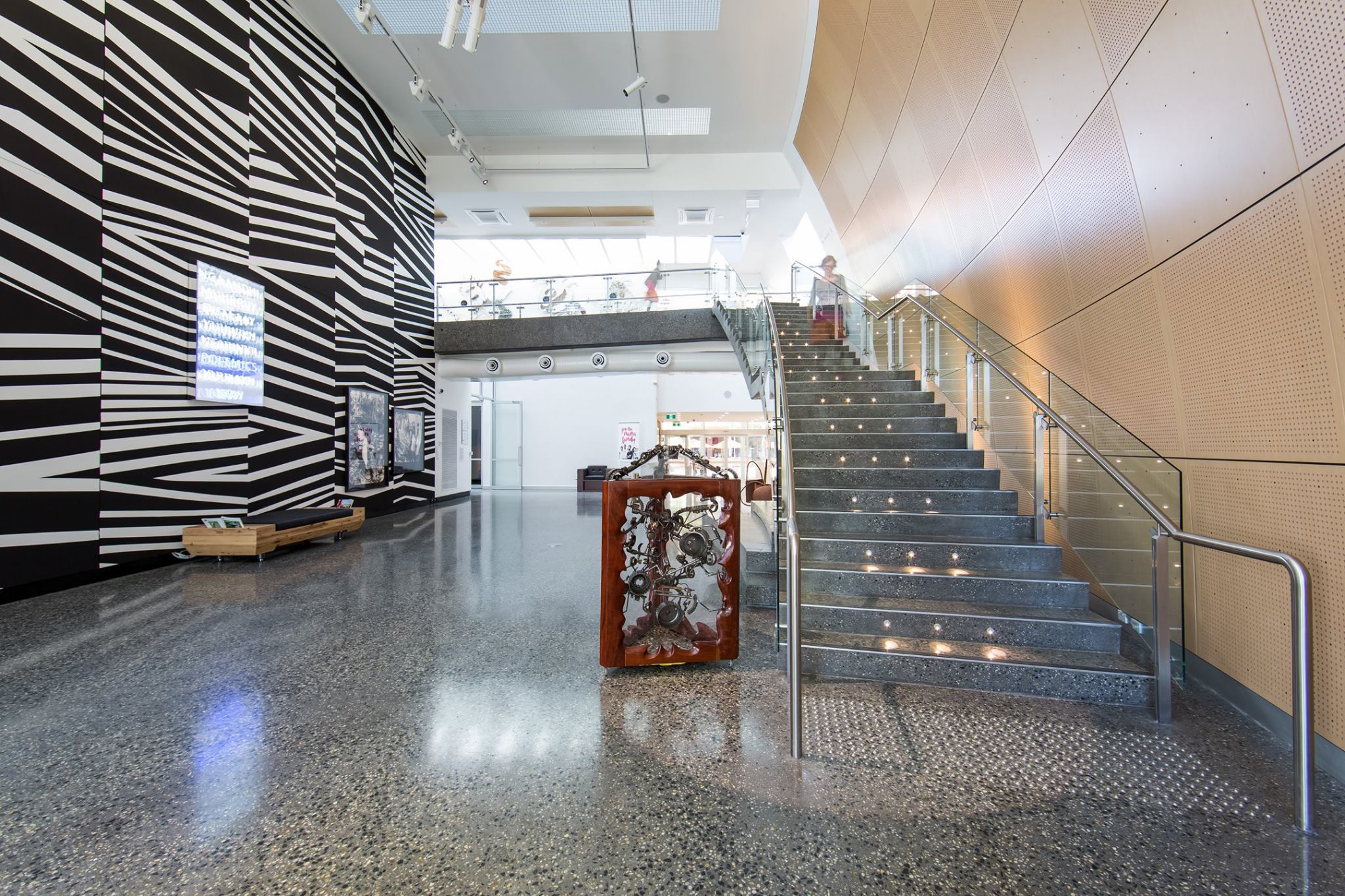
Polished concrete is produced through mechanical grinding, surface refinement, densification and polishing. The Concrete Shield™ range provides compatible products for preparing, hardening and protecting concrete floors in residential, commercial and industrial environments.
Fortis supplies concrete densifiers, polishing grouts and penetrating finishing treatments for professional contractors and flooring projects throughout Australia.
Choose the Right Concrete Shield™ Product
Product | Application | Best For |
|---|---|---|
Fills pinholes and minor surface voids during grinding | Preparing a smoother surface for polishing | |
Hardens concrete and reduces surface dusting | Warehouses, factories and larger industrial floors | |
Densifies concrete during grinding and polishing | Premium residential, retail and showroom floors | |
Penetrating finishing treatment that maintains natural appearance | Natural-looking polished concrete floors | |
Penetrating colour-enhancing finishing treatment | Deeper, richer polished concrete appearance |
Complete Polished Concrete System
1. Grind & Prepare the Concrete
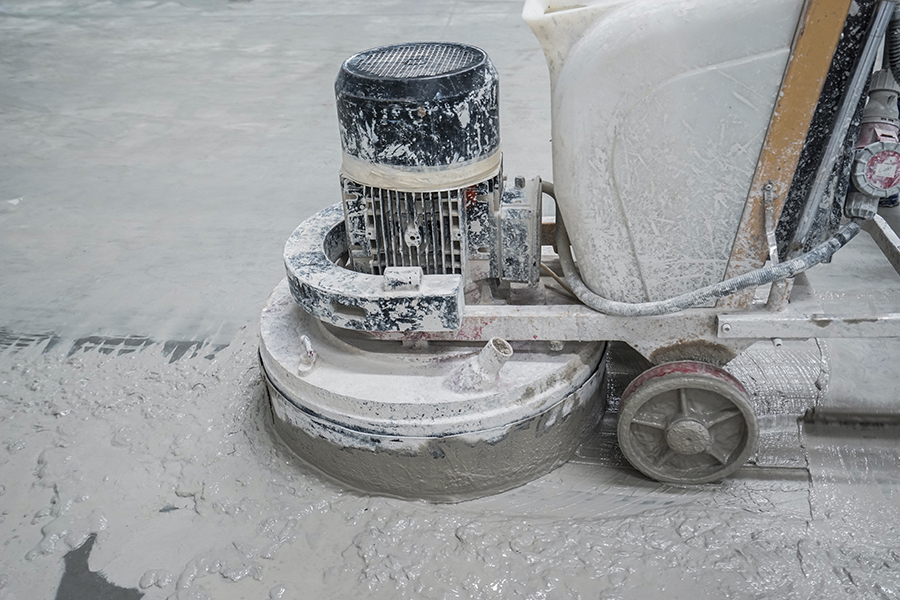
Mechanically grind the concrete to remove surface contamination, expose the required aggregate and establish the desired finish. Sound concrete and correct preparation are essential for consistent polishing results.
2. Fill Pinholes & Surface Voids
Apply Concrete Shield™ Grout 1000 during the appropriate grinding stage. The product combines with fine concrete dust to fill minor pinholes and air pockets, helping create a smoother surface before subsequent polishing.
3. Densify & Harden the Concrete
Concrete densifiers penetrate and react with available calcium hydroxide within the concrete to form additional calcium silicate hydrate, improving surface hardness and abrasion resistance while reducing dusting.
For larger commercial and industrial floors, select Concrete Shield™ Potassium/Lithium Densifier. For premium polished concrete floors, consider Concrete Shield™ Premium Lithium Densifier.
Read our potassium versus lithium densifier guide to compare both systems.
4. Polish to the Required Finish
Continue the specified grinding and polishing sequence using progressively finer diamond tooling. The final sheen depends on the concrete quality, aggregate exposure, polishing equipment and finishing process.
5. Apply a Protective Finishing Treatment
After polishing, select Concrete Shield™ Natural Look Enhancer to maintain a natural appearance, or Wet Look Enhancer for stronger colour enhancement.
Both treatments are designed for suitable absorbent surfaces and help reduce liquid absorption. They are not substitutes for concrete densification.
Potassium/Lithium vs Premium Lithium Concrete Densifiers
Both Fortis densifiers improve concrete surface hardness and reduce dusting. The main difference is their formulation and intended application.
Potassium/Lithium Densifier is a cost-effective choice for general-purpose concrete hardening, warehouses, factories and large floor areas.
Premium Lithium Densifier is designed for refined polished concrete floors where a high-quality decorative finish is the priority.
Buy Concrete Densifiers & Polishing Products Australia-Wide
Fortis manufactures and supplies Concrete Shield™ polished concrete products from Melbourne, Victoria, with distribution throughout Australia.
Selected products are available to purchase online:
For contractor quantities, bulk orders or polished concrete system recommendations, contact Fortis for pricing and technical assistance.
Polished Concrete Technical Resources
Polished Concrete System FAQs
Where can I buy concrete densifiers in Australia?
Fortis manufactures and supplies Concrete Shield™ concrete densifiers throughout Australia. Selected products can be purchased through the Fortis online store, with contractor and bulk supply available directly from Fortis.
What products are needed for a polished concrete floor?
A polished concrete system typically includes grinding, grouting, densification, polishing and a final protective treatment. Fortis supplies Grout 1000, concrete densifiers and penetrating enhancers for these stages.
What does a concrete densifier do?
A concrete densifier penetrates and reacts within the concrete to increase surface hardness, improve abrasion resistance and reduce dusting. It does not form a conventional topical coating.
Which concrete densifier should I use?
Choose Potassium/Lithium Densifier for general-purpose hardening and larger industrial floors. Choose Premium Lithium Densifier for premium polished concrete systems. Read our densifier comparison guide for further information.
What is the difference between lithium and potassium concrete densifiers?
Both are silicate-based concrete hardeners. Their performance depends on formulation, concrete porosity and application conditions. Fortis offers a potassium/lithium blend for economical general-purpose hardening and a premium lithium formulation for refined polished concrete floors.
When should a concrete densifier be applied?
Concrete densifiers are generally applied between specified grinding stages, rather than during the final polishing stage. Follow the relevant Concrete Shield™ product instructions and Technical Data Sheet.
What does Concrete Shield™ Grout 1000 do?
Grout 1000 fills minor pinholes, air pockets and surface imperfections exposed during grinding. It helps create a smoother, more uniform concrete surface before further polishing.
Is a concrete densifier the same as a sealer?
No. Densifiers harden concrete through a chemical reaction within the surface. Penetrating sealers and enhancers help reduce liquid absorption and provide additional protection. Read our concrete enhancer versus sealer guide.
What is the difference between Natural Look and Wet Look Enhancer?
Natural Look Enhancer maintains a more natural concrete appearance. Wet Look Enhancer provides stronger colour enhancement and a deeper, richer finish.
Can concrete densifier be used on existing concrete?
Yes. Concrete densifiers can be applied to suitable new or existing concrete that is sound, clean and sufficiently absorbent. Existing coatings, curing compounds and contaminants may prevent penetration.
Does polished concrete need a protective sealer?
A final penetrating treatment is recommended where additional resistance to water, oil and staining is required. Fortis offers Natural Look and Wet Look Enhancers for compatible polished concrete surfaces.
Does Fortis supply concrete densifiers in bulk?
Yes. Fortis supplies Concrete Shield™ products for professional polishing contractors and commercial projects throughout Australia. Contact Fortis for bulk quantities, pricing and technical support.