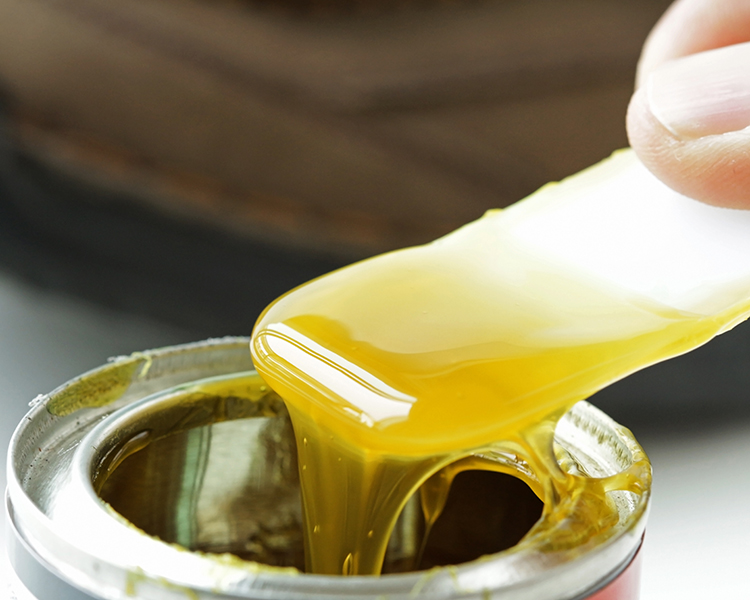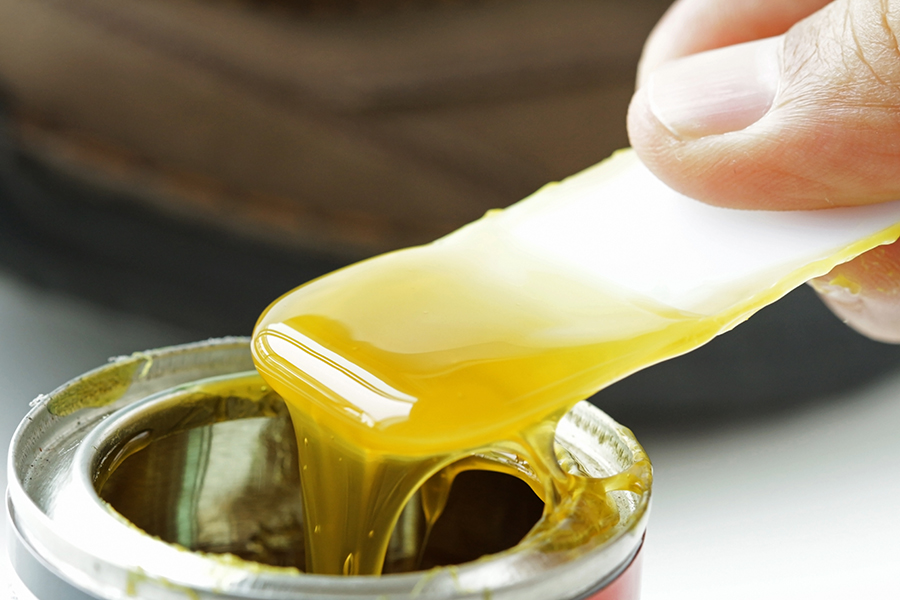
Fortis AD215 is a versatile brush contact adhesive for laminating, upholstery, cabinetry, shop fitting and general fabrication. Its fast initial grab and easy application make it ideal for bonding laminates, timber, rubber, leather, vinyl and flexible foams.
Information | Applications | Specifications | Downloads | FAQs
Fortis AD215 is a high-quality, solvent-based contact adhesive designed for brush, roller or scraper application. It provides strong, flexible adhesion across a wide range of porous and non-porous substrates.
AD215 is particularly suited to laminating and fabrication applications where fast initial grab, good brushing characteristics and reliable bond strength are required. Typical applications include laminates, timber, upholstery, rubber, leather, vinyl, flexible foams, cork, carpet and selected plastics and metals.
The adhesive is applied to both bonding surfaces and allowed to become touch dry before the surfaces are brought together. Once correctly positioned, firm and even pressure produces an immediate bond, allowing bonded components to be handled without extended clamping.
Its combination of easy application, heat and water resistance and broad substrate compatibility makes AD215 suitable for cabinet making, shop fitting, upholstery, automotive, marine, RV, industrial fabrication and craft applications.
Always test adhesion on the intended substrate before production use, particularly with plastics, coated materials and flexible substrates.
Solvent-Based Rubber Contact Adhesive
Ensure both surfaces are clean, dry and free from dust, oil, grease and other contaminants that may interfere with adhesion.
For cleaning compatible application tools and removing uncured contact adhesive residue, use FORTIS Sol-T Contact Adhesive Cleaner
Apply Fortis AD215 evenly to both surfaces using a brush, roller or suitable scraper. Porous or highly absorbent surfaces may require additional adhesive to achieve adequate coverage.
Allow the solvent to evaporate until the adhesive is touch dry before bringing the surfaces together. Join the surfaces within the open time specified in the current Technical Data Sheet.
Position components carefully, as contact adhesives develop immediate grab once the coated surfaces make contact. Apply firm, even pressure across the entire bonded area using a roller, press or other suitable method to achieve maximum contact and bond strength.
Where appropriate, AD215 may be heat activated after the solvent has fully evaporated.
Application conditions, substrate type, adhesive coverage and ambient temperature can influence evaporation time and open time. Do not apply below the minimum temperature specified in the current Technical Data Sheet.
Always carry out an adhesion test on the intended substrates before production use.
Suitable substrates include:
• Decorative laminates
• Timber and wood products
• Leather
• Rubber
• Vinyl
• Flexible foams
• Urethane foam
• EVA foam
• Cork
• Carpet
• Linoleum
• Concrete
• Selected plastics
• Metals
Surfaces must be clean, dry and free from dust, oil, grease and other contaminants that may interfere with adhesion.
Metal surfaces should be thoroughly cleaned and degreased before bonding. FORTIS Sol-T Contact Adhesive Cleaner may be used to clean compatible solvent-resistant metal surfaces before applying AD215. Allow the solvent to evaporate completely before bonding.
Smooth plastic surfaces may require light abrasion before bonding. Always test adhesion first, as some plastics and plasticised materials can be difficult to bond or may be incompatible with solvent-based contact adhesives.
Porous or highly absorbent surfaces may require additional adhesive to achieve complete and consistent coverage.
Always carry out an adhesion test on the intended substrates before production use.
1 L, 4 L, 20 L
What is Fortis AD215 used for?
Fortis AD215 is a brushable contact adhesive for laminating and bonding timber, decorative laminates, leather, rubber, vinyl, foam, cork, carpet and many other suitable substrates.
Do I apply AD215 to both surfaces?
Yes. Apply an even coat to both surfaces and allow the adhesive to become touch dry before bringing them together.
Can AD215 be used for laminate?
Yes. AD215 is particularly suited to bonding decorative laminates to suitably prepared substrates.
Can AD215 be applied with a roller?
Yes. It can be applied using a brush, roller or suitable scraper depending on the application.
Can AD215 bond foam?
AD215 is suitable for many flexible and urethane foams. Always test first, as some foam and plastic materials may be affected by solvents.
Can AD215 bond metal?
Yes. Metal surfaces must be correctly cleaned and degreased before applying the adhesive.
Can AD215 be used for upholstery?
Yes. Its flexible bond and broad substrate compatibility make it suitable for many upholstery applications.
Does contact adhesive require clamping?
Extended clamping is generally unnecessary. Firm, even pressure should be applied across the complete bonded area immediately after joining.
How long should AD215 dry before joining?
Allow the adhesive to become touch dry before joining. Refer to the current Fortis AD215 Technical Data Sheet for evaporation and open-time requirements.
Fortis AD215 Technical Data Sheet
Fortis AD215 Safety Data Sheet
How to Choose an Adhesive for Different Materials
Polyurethane vs Epoxy vs PVA vs Contact Adhesives
How to Choose the Right Adhesive for Timber
How to Prepare Surfaces for Adhesive Bonding
Understanding Adhesive Open Time, Working Time and Clamp Time
Why Do Adhesive Bonds Fail?
How to Apply Contact Adhesive Correctly