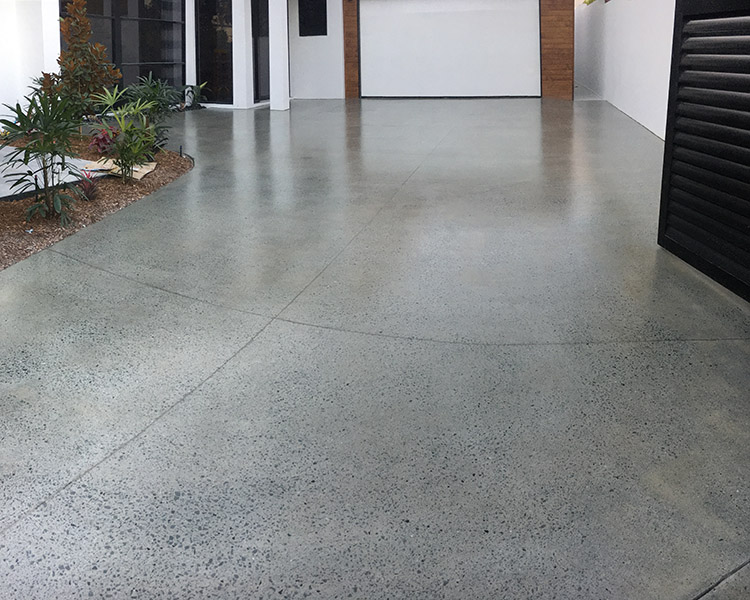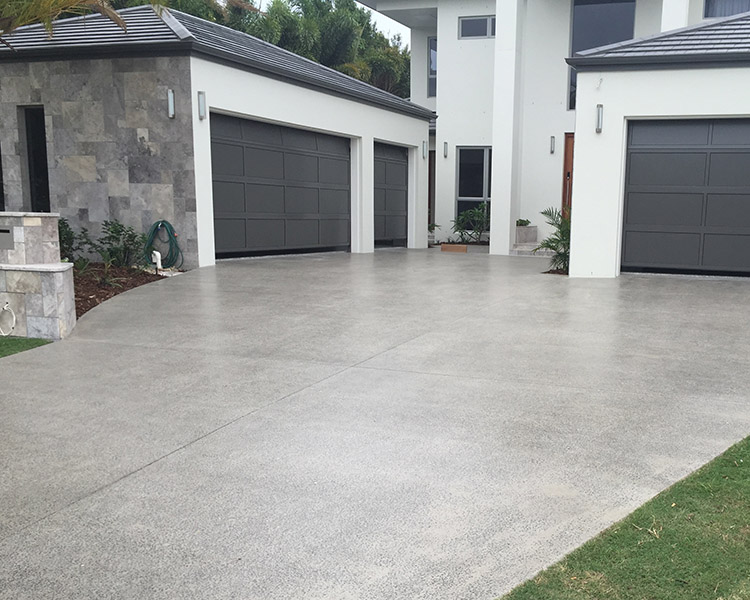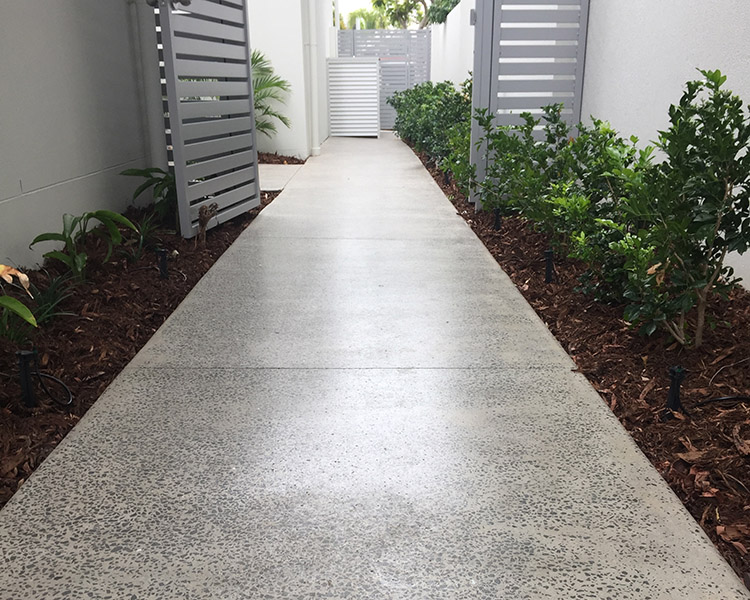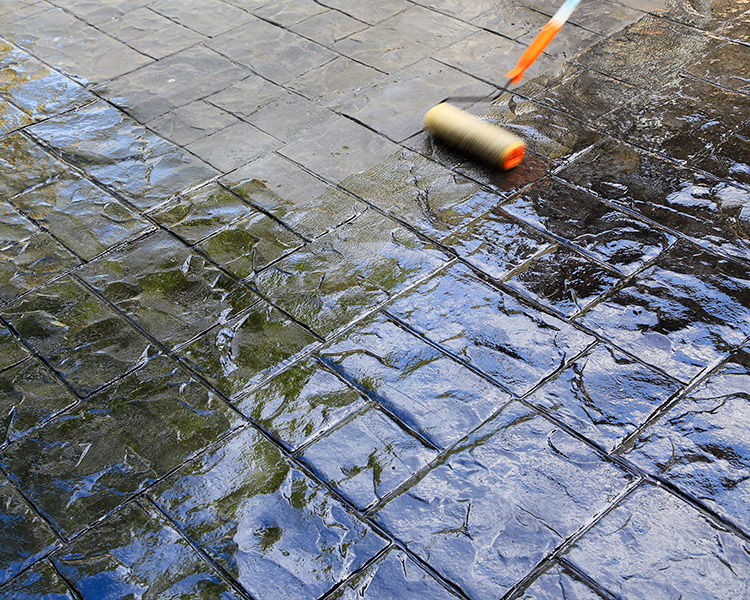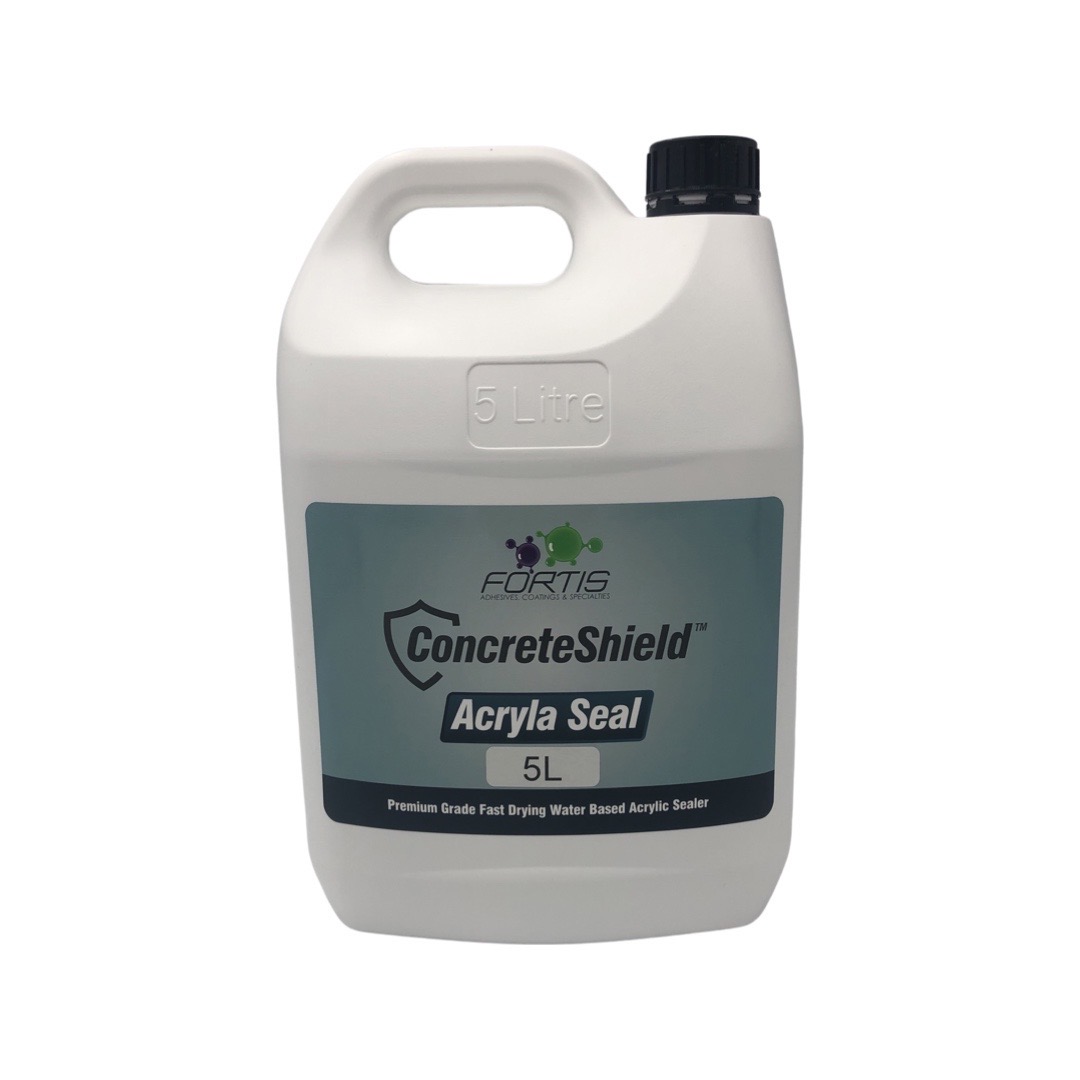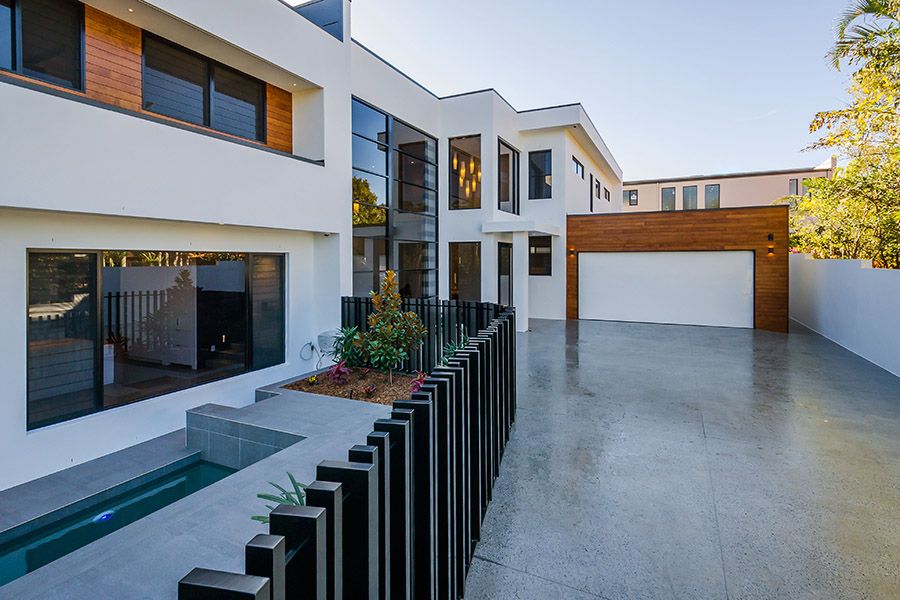
ConcreteShield™ AcrylaSeal is a water-based clear acrylic sealer for concrete driveways, pavers, exposed aggregate, coloured concrete and decorative surfaces. Its low-odour, fast-drying formula provides a durable semi-gloss finish while enhancing and protecting the concrete surface.
Information | Applications | Specifications | Downloads | FAQs
ConcreteShield™ AcrylaSeal is a water-based acrylic concrete sealer designed to protect and enhance concrete and paving surfaces. It dries to a clear semi-gloss finish that enhances the natural colour of the substrate while helping resist oil, grease, dust, dirt and weathering.
The fast-drying, low-odour formulation is suitable for interior and exterior applications including concrete driveways, factory floors, pavers, coloured concrete, exposed aggregate, pattern paving and decorative concrete.
AcrylaSeal provides a durable protective film while making sealed surfaces easier to clean and maintain. Its water-based formulation makes it particularly suitable where lower odour and easier application are preferred.
For exterior concrete and paving where stronger colour enhancement and a traditional solvent-based acrylic finish are required, consider AcrylaSolv™ Solvent-Based Acrylic Concrete Sealer.
Water-Based Acrylic
Ensure the surface is clean, completely dry and free from dust, oil, grease, curing compounds and contaminants. Previously sealed surfaces should be tested for compatibility and adhesion before recoating.
Apply AcrylaSeal evenly using a lambswool applicator or 10 mm nap roller. Apply a minimum of two thin, uniform coats at approximately 10–15 m²/L per coat. Avoid excessive film build, puddling or pooling.
At 25°C and 65% relative humidity, allow approximately 2 hours between coats or until the entire surface is touch dry. Allow approximately 6–8 hours before pedestrian traffic. Full cure is typically achieved within 24–72 hours depending on temperature, humidity and film thickness.
Apply only when substrate and ambient temperatures are between 10°C and 35°C. Always complete a test area first, particularly on coloured or decorative concrete.
Where additional surface grip is required, Fortis Non-Slip Additive can be incorporated where appropriate.
For a solvent-based sealer with stronger colour enhancement, consider AcrylaSolv™.
Suitable Surfaces
ConcreteShield™ AcrylaSeal is designed for properly prepared, porous and completely dry concrete and masonry surfaces including:
Surfaces must be clean, sound and free from dust, oil, grease, curing compounds, efflorescence and other contaminants that may interfere with adhesion.
AcrylaSeal is a film-forming sealer and may alter the colour, sheen and slip characteristics of the surface. Always apply a test area before sealing decorative, coloured or exposed aggregate concrete.
Dense, polished, non-porous or previously sealed surfaces should be tested for compatibility and adhesion before full application.
5L, 15L
Yes. AcrylaSeal is suitable for properly prepared concrete driveways, providing a clear semi-gloss protective finish that enhances the appearance of the concrete.
Apply a minimum of two thin, uniform coats for consistent protection and appearance. Avoid excessive film build or pooling.
Typical coverage is 10–15 m²/L per coat. Porous or textured concrete may require more sealer.
Yes. It dries clear with a semi-gloss finish that enhances the natural colour of concrete. Test a small area first on decorative or coloured surfaces.
Only if the existing coating is sound, clean and compatible. Test adhesion first and remove incompatible or poorly bonded coatings.
Yes. Concrete must be completely dry. Trapped moisture can affect adhesion, appearance and coating performance.
Allow about 2 hours between coats at 25°C and 65% RH. Pedestrian traffic can normally resume after 6–8 hours, with full cure in 24–72 hours.
Film-forming sealers can alter slip resistance. Use a compatible Fortis non-slip additive where additional slip resistance is required.
AcrylaSeal forms a clear semi-gloss protective film that enhances colour. Penetrating sealers absorb into concrete and generally retain a more natural appearance.
Fortis Acryla Seal Technical Data Sheet
Fortis Acryla Seal Safety Data Sheet
How to Choose a Concrete Sealer for a Driveway
Water-Based vs Solvent-Based Concrete Sealer
Penetrating vs Film-Forming Concrete Sealers
How to Prepare Concrete Before Applying Sealer
Why Does Concrete Sealer Turn White or Cloudy?
Does Concrete Sealer Make Concrete Slippery?